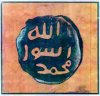
Know your Prophet Muhammad (Sall Allāhu ʿalay-hi wa-sallam)

slaveofAllah88

Slave of Allah (swt)
As-salamu alaykum wa rahmatu l-lāhi wa barakātuh

Indeed, all praise is for Allah. We praise Him, we ask for His help, we beg for His forgiveness, and we seek
refuge and protection with Allah from the evils of ourselves and from the evil consequences of our sins.
Whoever Allah [SWT] guides to the straight path, no force in the universe can misguide him. And whoever
Allah [SWT] misguides, no one can guide them to the Truth. I bear witness that there is no deity, no object
worthy of any act of worship except Allah [SWT], the One without any partners, associates or equals. And I
bear witness that Muhammad [SAWS] is His slave and messenger.

Indeed in the Messenger of Allah (Muhammad SAW) you have a good example to follow for him who hopes in (the Meeting with) Allah and the Last Day and remembers Allah much.
(Qur'an Al-Ahzab: 21)


This is going to a small project of mine, and I ask Allah (swt) to help me accomplish this and benefit as many people as possible. There was a small course taken with Shaykh Said Rageah (may Allah (swt) reward him) , and i want to put the content here on the forum in small points inshAllah so its easy for everyone to read so we can get to know our beloved our habib our Prophet Muhammad (Sall Allāhu ʿalay-hi wa-sallam).

So i ask if you can refrain from posting on this thread, so inshAllah whoever is reading can go on without having to skip through post. I will post bits and pieces everyday if i can or when i am able to inshAllah. Subscribe to thread, from the thread tools if you want to keep yourself updated.

thread.png and then sub.png

Sources:

- Notes which includes sources within it
- Shama'il Tirmidhi
- I will try best to post the source as provided inshAllah


:bismillah1:
We begin with the name of Allah (subhanu wa ta'ala), we hope that Allah (subhanu wa ta'ala) will support us to perfect our worship for him.

Hatan ibn Thabit described Rasulullah (Sall Allāhu ʿalay-hi wa-sallam) in a very long poem; part of it goes:
“Better than you my eves have never laid upon
and more beautiful than you no woman has ever given birth to
it is as you were born free from every deficiency
or it is as if you were created as you yourself had pleased
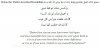

poem.jpg


slaveofAllah88

Slave of Allah (swt)
As-salamu alaykum wa rahmatu l-lāhi wa barakātuh

We will be studying the Shama'il of Rasullulah, not the seerah.

The Seerah is a detailed study of the life of the Prophet , usually from the angle of chronological events, whereas, Shamaa‟il is void of chronology and focuses more on who the Prophet (PBUH) was as an individual.

Shama’il
الشما ئل المحمد ية is a study of the characteristics, traits, and attributes of the Prophet (PBUH) . These characteristics include, and are not restricted to, his physical demeanor, his character/manners, and those things which were exclusive to him.
- The different categories of this topic include:
○ Physical Characteristics e.g his (PBUH) face, skin colour, hair colour, what he (PBUH) used to wear, what he (PBUH) used to carry with him, his (PBUH) perfume, his (PBUH) sandals, etc – i.e. everything related to his (PBUH) person.
○ His (PBUH) manners and akhlaq: that is, how he (PBUH) dealt with people
○ His (PBUH) akhlaq in terms of ibaadah – how he (PBUH) fasted, prayed, etc - his (PBUH) akhlaq with his Creator.
○ His (PBUH) akhlaq with people: his (PBUH) kindness, how he(PBUH) dealt with muslims, etc
○ Al-Khasaa‟is: the exclusive qualities and characteristics of Rasulullah (sall Allāhu ʿalay-hi wa-sallam) e.g the fact that he married more than 4 wives.​
 

slaveofAllah88

Slave of Allah (swt)
True Love

True Love

Anas narrates that Rasulullah صلى الله عليه وسلن said: “None of you truly believes until I am more beloved to himself than his parents, his children, and all of mankind” (Al-Bukhari and Muslim)

Say, [O Muhammad], "If your fathers, your sons, your brothers, your wives, your relatives, wealth which you have obtained, commerce wherein you fear decline, and dwellings with which you are pleased are more beloved to you than Allah and His Messenger and jihad in His cause, then wait until Allah executes His command. And Allah does not guide the defiantly disobedient people." [Quran 9:24]

"There are three qualities, whosoever has them will taste the sweetness of Iman; Loving Allah and His Messenger above all else, loving someone solely for the sake of Allah, and hating to return to disbelief after Allah has rescued him from it, as much as he would hate being thrown into Hellfire." (Al-Bukhari)


Loving Prophet Muhammad (sall Allāhu ʿalay-hi wa-sallam) is not an option, its must every muslim love him
 

slaveofAllah88

Slave of Allah (swt)
Why Love the Messenger

Why Love the Messenger

*!
1. Allah has commanded us to love him
- The obedience of Rasulullah (sall Allāhu ʿalay-hi wa-sallam)is the true display of love for Allah (subhanu wa ta'ala) and His Messenger. Love means taking action so if you love him, must obey him. And if you obey him then you must love him.
· When Allah (subhanu wa ta'ala) loves someone we should also love him/her
· Allah (subhanu wa ta'ala) took rasullah (sall Allāhu ʿalay-hi wa-sallam) as his khalil
*!

2. Allah loves him
- If Allah (subhanu wa ta’ala) loves someone, you should love him too.
Abu Hurayrah (Radhiallah Anhum) narrated that the Prophet (sall Allāhu ʿalay-hi wa-sallam)said: “If Allah loves a person, He calls Jibreel saying, „Allah loves so and so; O Jibreel love him.‟ And make an announcement amongst the inhabitants of the heaven: ‘Allah loves so and so therefore you should love him also,‟ and so all the inhabitants of the heaven would love him, and then he is granted the pleasures of the people on the earth.” (Al-Bukhari and Muslim)
*!

3. His beautiful character and impeccable manners
- The akhlaq of Rasulullah (sall Allāhu ʿalay-hi wa-sallam)had, you cannot help but love him and feel thankful and enslaved to him (in a good manner).

*!
4. None of us will be able to truly emulate him till we love him
- You cannot truly follow his example unless you love him. Some people reject sunnah and only follow Qur'an but if they study the sunnah, they see that they have to follow him. If you read the sunnah, you feel compelled to follow Rasulullah صلى الله عليه وسلن
because you would love him so much

*!
5. The struggles he went through to make sure Islam would reach us today
· Ibn Taymiyyah: As for the reason we love Rasulullah (sall Allāhu ʿalay-hi wa-sallam)more than anyone else: all the khayr we acquire in this dunya, it is from following his example.
· The perpetual light on Judgment Day comes from what Rasulullah (sall Allāhu ʿalay-hi wa-sallam) brought. The more you‟re conscious about his role in your live, the more you follow him and the higher your rank will be.

*!
6. His love and concern for us
There has certainly come to you a Messenger from among yourselves. Grievous to him is what you suffer; [he is] concerned over you and to the believers is kind and merciful. [quran 9:128]
· Rasulullah (sall Allāhu ʿalay-hi wa-sallam)said: sometimes I desire to make the salah long but I hear the babies crying so I shorten the salah for fear the mothers would be distressed.

*!
7. A person will be raised with those whom he loves
· A man came to Rasulullah (sall Allāhu ʿalay-hi wa-sallam) saying: a man who loves the righteous but cannot catch up with them (as if he‟s saying, I can‟t reach your level). Rasulullah (sall Allāhu ʿalay-hi wa-sallam) said: you will be with whom you love on Judgment Day.
o If your love is with Rasulullah (sall Allāhu ʿalay-hi wa-sallam) then you will be in the highest level of Jannah.
· We call Rasulullah (sall Allāhu ʿalay-hi wa-sallam) : Al-Habib, which means “beloved”
· Khalil is the intense love that gets between the heart and the tissues. Before he died, Rasulullah (sall Allāhu ʿalay-hi wa-sallam) said: I am free from every khalil among you. Allah (subhanu wa ta'ala) made me His khalil as He made Ibrahim Khalil. If I were to take a Khalil, I would have taken Abu Bakr.
o Narrated Ibn 'Abbas: The Prophet said, "If I were to take a Khalil, I would have taken Abu Bakr, but he is my brother and my companion (in Islam)." (Sahih Bukhari)
· If he could have taken a person of this world to be his khalil, he would have taken Abu Bakr (Radhiallah Anhum) but he couldn‟t since Allah (subhanu wa ta'ala) is his Khalil.
· You can mention him as Al-Habib Rasulullah (sall Allāhu ʿalay-hi wa-sallam) . But our mashaa‟ik teach us not to treat him like the regular people we love with a passionate love; call him by the title Allah (subhanu wa ta’ala) gave him – “Khalilullah.”​
 

slaveofAllah88

Slave of Allah (swt)
Signs of Love for Rasullulah (sall Allāhu ʿalay-hi wa-sallam)

Signs of Love for Him (sall Allāhu ʿalay-hi wa-sallam):

That love has to be seen in the one who claims to love Rasulullah (sall Allāhu ʿalay-hi wa-sallam) . The claim cannot just be made with nothing to back it up.

1. Imitating and emulating him
- We have to follow his example.
Anas reported that: “Three men came to the houses of the wives of the Prophet and asked how his worship was. When they were informed, they considered their own worship to be insignificant and said: 'Where are we in comparison to the Prophet when Allah has forgiven his past and future sins?' One of them said: 'As for me, I shall offer prayer all night long.' Another said: 'I shall observe fasting perpetually, never to break it.' Another said: 'I shall abstain from women and will never marry.' The Prophet then came to them and said: “Are you the people who said such things? I swear By Allah that I fear Allah more than you do, and I am most obedient and dutiful among you to Him, but still, I observe fasting (sometimes) and break it (at others); I perform (optional) prayer (at night sometimes) and sleep at night (at others); I also marry. So whoever turns away from my Sunnah (i.e. my way) is not from me.” (Al-Bukhaari and Muslim)

2. Loving what he loves
- Loving the things he loved e.g fasting, qiyam, wearing white thobes.
- Some of the Companions loved Rasulullah (sall Allāhu ʿalay-hi wa-sallam) so much that they followed him in specific acts that are not necessarily legal e.g the food he ate.
Anas ibn Malik reported: A tailor invited the Messenger of Allah (sall Allāhu ʿalay-hi wa-sallam) to a meal which he had prepared. Anas ibn Malik said: I went along with the Messenger of Allah (sall Allāhu ʿalay-hi wa-sallam) to that feast. He presented to the Messenger of Allah (sall Allāhu ʿalay-hi wa-sallam) barley bread and soup containing pumpkin, and sliced pieces of meat. Anas said: I saw the Messenger of Allah (sall Allāhu ʿalay-hi wa-sallam) going after the pumpkin round the dish, so I have always liked the pumpkin since that day. (Sahih Muslim)
- You change your perceptions about things when you begin loving what He (sall Allāhu ʿalay-hi wa-sallam) loves.

3. Loving that with which He (sall Allāhu ʿalay-hi wa-sallam) was sent with (the Qur'an and Sunnah)
- You cannot claim to love the Messenger without loving his example.

4. Frequently sending Salah and Salaam upon Him (sall Allāhu ʿalay-hi wa-sallam)
- You can do it in your heart, quietly to yourself – all the time. Don't need to wait for an occasion to say it

5. Loving those whom he loved and those who love him
- Specifically his companions.
On the authority of Anas b. Malik: [When the enemy got the upper hand] on the day of the Battle of Uhud, the Messenger of Allah (sall Allāhu ʿalay-hi wa-sallam) was left with only seven men from the Ansar and two men from the Quraish. When the enemy advanced towards him and overwhelmed him, he said: Whoso turns them away from us will attain Paradise or will be my Companion in Paradise. A man from the Ansar came forward and fought [the enemy] until he was killed. The enemy advanced and overwhelmed him again and he repeated the words: Whoso turns them away, from us will attain Paradise or will be my Companion in Paradise. A man from the Ansar came forward and fought until he was killed. This state continued until the seven Ansar were killed [one after the other]. (Sahih Muslim)
After the martyrdom of the seventh Ansari in Uhud, two Quraishis were left guarding the Prophet (sall Allāhu ʿalay-hi wa-sallam) : Talha bin Ubaidullah and Sad bin Abi Waqas. These two Sahabas bravely fought the Quraish and used their own bodies as shields to protect Allah‟s Messenger
(sall Allāhu ʿalay-hi wa-sallam) :
Narrated Qais: I saw Talha's paralyzed hand with which he had protected the Prophet on the day of Uhud. (Sahih Al-Bukhari)

6. Frequently remembering his life and ways
Remember him often – the companions used to teach their children his life as they taught them Islam.

7. Encouraging others to study his life and following his way
- Doing this gives energy to the community – when you have a new baby, or children, you keep talking about them every chance, even the littlest thing they do – remember Rasulullah (sall Allāhu ʿalay-hi wa-sallam) 's life too – know about his life more than your own. The sahabah knew about his life more than the lives of their own children.
 

slaveofAllah88

Slave of Allah (swt)
The Names of the Prophet (sall Allāhu ʿalay-hi wa-sallam)

The Praised One
· In the history of arab only 3 people were named Muhammad before, so it wasn't a popular name at all.
· The three people were
o Muhammad bin sufyan
o Muhammad bin Ahihah
o Muhammad bin Hamran

They were named Muhammad cause their father went to people of the book and were told after a man by the name of Hamd and he will be a prophet of God, so they named in hopes of their sons being Prophet.
(i heard this from the ustadh i dont have the source so please verify this and if you find the source/reference pm me JazakAllah khair)

The name Muhammad is the derived object from the verb حمد which means to praise exceedingly. Thus, he is the one who is praised exceedingly. Scholars offer the following reasons as to why:
- He is the most praised by Allah (subhanu wa ta’ala) and the angels
- His name is mentioned in the Adhan and Salah, which are repeated frequently throughout the day. He is the most praised by people – we praise him all the time. His name is being celebrated all over the world like no one else.
- His name would go on to be the most used
- His name is also Ahmad, which means “the one who praises the most.” The most fearful of Allah (subhanu wa ta’ala) is Rasulullah (sall Allāhu ʿalay-hi wa-sallam).

When the Quraysh wanted to curse him, they used the opposite of his name and instead called him “The one who is cursed.” The sahabah got upset about this but Rasulullah(sall Allāhu ʿalay-hi wa-sallam) calmed them:Narrated Abu Hurayra: Allah's Apostle said, "Doesn't it astonish you how Allah protects me from the Quraish's abusing and cursing? They abuse Mudhammam and curse Mudhammam while I am Muhammad (and not Mudhammam)"

(Sahih Al-Bukhari)
 

slaveofAllah88

Slave of Allah (swt)
The Story Behind His (sall Allāhu ʿalay-hi wa-sallam) Name

The Story Behind His (sall Allāhu ʿalay-hi wa-sallam) Name

The books of Seerah mention that the Prophet was named by his grandfather, Abdul Muttalib. When Abdul Muttalib was asked why he named his grandchild a name unknown by his relatives and the people, he responded, “I hope that he will be the one who is praised in the heavens and earth.”
- Allah (subhanu wa ta’ala) inspired him to call him Muhammad (sall Allāhu ʿalay-hi wa-sallam).
- The other stories on the topic are not the most authentic.
 

slaveofAllah88

Slave of Allah (swt)
His (sall Allāhu ʿalay-hi wa-sallam Other Names

A principle in Arabic language states, “The more names an object has, the more prestigious and magnificent it is.” Based on this principle, we realize why Allah (subhanu wa ta’ala) and the Day of Judgment have so many names.

When it comes to the names of the Prophet , the scholars have attempted to enumerate them. Imam As-Suyuti came up with roughly 500 different names. Whereas, the Maliki scholar Ibn al-„Arabi lists close to a thousand different names for the Prophet

It is related that Jubayr bin Mut‟im said: that the Messenger of Allah said: “I have five names: I am Muhammad and ahmad. I am Al-Mahi, the Effacer by whom Allah will efface disbelief. I am Al- Hashir, the Gatherer, after whom the people will be gathered, and I am Al-„Aqib, there will be no Prophet after me.” (Sahih Al-Bukhari)
 

slaveofAllah88

Slave of Allah (swt)
His (sall Allāhu ʿalay-hi wa-sallam) Lineage

Muhammad bin Abdullah bin „Abdul Muttalib (Shaybah) bin Hashim („'Amr) bin „Abd Munaf (Al- Mughirah) bin Qusayy (Zayd) bin Kilab bin Murrah bin Kab bin Luayy bin Ghalib bin Fahr (Quraysh) bin Malik bin An-Nadr (Qays) bin Kinanah bin Khuzaymah bin Mudrikah („Amir) bin Ilyas bin Mudar bin Nizar bin Ma‟ad bin Adnan (Reported by Bukhari)

- Some books of seerah go all the way up to Adam but that is not as authentic. This is the most authentic narration.
- Adnan came from the family of Ismael (a.s)
 

slaveofAllah88

Slave of Allah (swt)
His (sall Allāhu ʿalay-hi wa-sallam) Mention in the Scriptures

Quran
Rasulullah (sall Allāhu ʿalay-hi wa-sallam) is mentioned by name in the Qur'an:

وَمَا مُحَمَّدٌ إِلَّا رَسُولٌ قَدْ خَلَتْ مِن قَبْلِهِ الرُّسُلُ ۚ أَفَإِن مَّاتَ أَوْ قُتِلَ انقَلَبْتُمْ عَلَىٰ أَعْقَابِكُمْ ۚ وَمَن يَنقَلِبْ عَلَىٰ عَقِبَيْهِ فَلَن يَضُرَّ اللَّهَ شَيْئًا ۗ وَسَيَجْزِي اللَّهُ الشَّاكِرِينَ

Muhammad is not but a messenger. [Other] messengers have passed on before him. So if he was to die or be killed, would you turn back on your heels [to unbelief]? And he who turns back on his heels will never harm Allah at all; but Allah will reward the grateful.
Quran 3:144

مَّا كَانَ مُحَمَّدٌ أَبَا أَحَدٍ مِّن رِّجَالِكُمْ وَلَٰكِن رَّسُولَ اللَّهِ وَخَاتَمَ النَّبِيِّينَ ۗ وَكَانَ اللَّهُ بِكُلِّ شَيْءٍ عَلِيمًا

Muhammad is not the father of [any] one of your men, but [he is] the Messenger of Allah and last of the prophets. And ever is Allah , of all things, Knowing.
Quran 33:40
- This ayah revaled to cancel adoption

وَالَّذِينَ آمَنُوا وَعَمِلُوا الصَّالِحَاتِ وَآمَنُوا بِمَا نُزِّلَ عَلَىٰ مُحَمَّدٍ وَهُوَ الْحَقُّ مِن رَّبِّهِمْ ۙ كَفَّرَ عَنْهُمْ سَيِّئَاتِهِمْ وَأَصْلَحَ بَالَهُمْ


And those who believe and do righteous deeds and believe in what has been sent down upon Muhammad - and it is the truth from their Lord - He will remove from them their misdeeds and amend their condition.
Quran 47:2


مُّحَمَّدٌ رَّسُولُ اللَّهِ ۚ وَالَّذِينَ مَعَهُ أَشِدَّاءُ عَلَى الْكُفَّارِ رُحَمَاءُ بَيْنَهُمْ ۖ تَرَاهُمْ رُكَّعًا سُجَّدًا يَبْتَغُونَ فَضْلًا مِّنَ اللَّهِ وَرِضْوَانًا ۖ سِيمَاهُمْ فِي وُجُوهِهِم مِّنْ أَثَرِ السُّجُودِ ۚ ذَٰلِكَ مَثَلُهُمْ فِي التَّوْرَاةِ ۚ وَمَثَلُهُمْ فِي الْإِنجِيلِ كَزَرْعٍ أَخْرَجَ شَطْأَهُ فَآزَرَهُ فَاسْتَغْلَظَ فَاسْتَوَىٰ عَلَىٰ سُوقِهِ يُعْجِبُ الزُّرَّاعَ لِيَغِيظَ بِهِمُ الْكُفَّارَ ۗ وَعَدَ اللَّهُ الَّذِينَ آمَنُوا وَعَمِلُوا الصَّالِحَاتِ مِنْهُم مَّغْفِرَةً وَأَجْرًا عَظِيمًا


Muhammad is the Messenger of Allah ; and those with him are forceful against the disbelievers, merciful among themselves. You see them bowing and prostrating [in prayer], seeking bounty from Allah and [His] pleasure. Their mark is on their faces from the trace of prostration. That is their description in the Torah. And their description in the Gospel is as a plant which produces its offshoots and strengthens them so they grow firm and stand upon their stalks, delighting the sowers - so that Allah may enrage by them the disbelievers. Allah has promised those who believe and do righteous deeds among them forgiveness and a great reward.
Quran 48:29

وَإِذْ قَالَ عِيسَى ابْنُ مَرْيَمَ يَا بَنِي إِسْرَائِيلَ إِنِّي رَسُولُ اللَّهِ إِلَيْكُم مُّصَدِّقًا لِّمَا بَيْنَ يَدَيَّ مِنَ التَّوْرَاةِ وَمُبَشِّرًا بِرَسُولٍ يَأْتِي مِن بَعْدِي اسْمُهُ أَحْمَدُ ۖ فَلَمَّا جَاءَهُم بِالْبَيِّنَاتِ قَالُوا هَٰذَا سِحْرٌ مُّبِينٌ

And [mention] when Jesus, the son of Mary, said, "O children of Israel, indeed I am the messenger of Allah to you confirming what came before me of the Torah and bringing good tidings of a messenger to come after me, whose name is Ahmad." But when he came to them with clear evidences, they said, "This is obvious magic."
Quran 61: 6
 

slaveofAllah88

Slave of Allah (swt)
His (sall Allāhu ʿalay-hi wa-sallam) Mention in the Scriptures

The Torah and the Gospel


References: “What Did Jesus Really Say”
And the Lord said unto me, “They have well spoken that which they have spoken. I will raise them a Prophet from among their bretheren like unto thee, and will put My words in His mouth and He shall speak unto them all that I shall command Him. And it shall come to pass that whosoever will not hearken unto My words which He shall speak in My Name, I will require it of him” (Deuteronomy 18:17-19)

And when they give the book to one who cannot read, saying, “Read this,” he says, “I cannot read” (Isaiah 29:12)

Nevertheless I will tell you the truth. It is expedient for you that I go away, for if I go not away, the Comforter will not come unto you; but if I depart, I will send him unto you (John 16:7)

The disciples answered, “O Master, who shall that man be of whom you speak, who shall come into the world?” Jesus answered with joy of heart, “He is Muhammad, Messenger of God, and when he comes into the world, even as the rain makes the earth to bear fruit when for a long time it has not rained, even so shall be occasion of good works among men, through the abundant mercy which he shall bring. For his is a white cloud full of the mercy of God, which mercy God shall sprinkle upon the faithful like rain.” (Barnabas 163)

Jesus answered, “Believe me, Barnabas, that every sin, however small it be, God punishes with great punishment, seeing that God is offended at sin. Wherefore, since my mother and my faithful disciples that were with me loved me a little with earthly love, the righteous God has willed to punish this love with the present grief, in order that it may not be punished in the flames of hell. And though I have been innocent in the world, since men have called me „God,‟ and „Son of God,‟ God, in order that I be not mocked of the demons on the day of judgment, has willed that I be mocked of men in this world by the death of Judas; making all men to believe that I died upon the cross. And this mocking shall continue until the advent of Muhammad, the Messenger of God, who, when he shall come, shall reveal this deception to those who believe in God‟s Law.” Having thus spoken, Jesus said, “You are just, O Lord our God, because to you only belongs honour and glory without end.” (Barnabas 220)
 

slaveofAllah88

Slave of Allah (swt)
Physical Description

Physical Description
Alhumdulilah after going through some background we are going to start talking about the physical description of our beloved Prophet Muhammad (sall Allāhu ʿalay-hi wa-sallam)

Hassan ibn Thabit was a famous poet in Arabia even before the advent of Prophethood. When Rasulullah صلى الله عليه وسلن arrived in Madinah, some of the mushrikeen bribed him to go to Muhammad صلى الله عليه وسلن and write a poem bashing him. He took their money and went to Rasulullah صلى الله عليه وسلن to meet him. When he met him and saw him, he couldn‟t do what he was supposed to do. He went back and returned their money and instead of bashing Rasulullah
صلى الله عليه وسلن , he wrote this:

When I saw his light shinning forth,
In fear I covered my eyes with my palms,
Afraid for my sight because of the beauty of his form.
So I was scarcely able to look at him at all.
The lights from his light are drowned in his light
And his faces shines out like the sun and moon in one.
A spirit of light lodged in a body like the moon,
A mantle made up of brilliant shinning stars.
I bore it until I could bear it no longer.
I found the taste of patience to be like better aloes.
I could find no remedy to bring me relief
Other than delighting in the sigh of the one I love.
Even if he had not brought any clear signs with him,
The sight of him would dispense with the need for them.
Muhammad is a human being but not like other human beings.
Rather he is a flawless diamond and the rest of mankind is just stones.
Blessings be on him so that perhaps Allah may have mercy on us
On that burning Day when the Fire is roaring forth its sparks.​

- There is a whole diwan of his poetry about Rasulullah صلى الله عليه وسلن that can be found in Arabic online.
- On the other hand, some sahabah were never able to fill their eyes with his face e.g 'Amr ibn Al-„As رضي الله عنه . He had fought against Rasulullah صلى الله عليه وسلن most of his life and when he entered Islam, he was so ashamed – when he came to accept Islam, and Rasulullah صلى الله عليه وسلن extended his hand, 'Amr withdrew his hand and asked for one condition – that all his sins be forgiven. Rasulullah صلى الله عليه وسلن said: Ya 'Amr don‟t you know Islam erases everything before?
Amr ibn Al-Aas said: “When Allah guided me to Islam, I went to the Prophet صلى الله عليه وسلن and said to him „O Prophet of Allah! Stretch out your hand so that I might pledge my allegiance to you.‟ The Prophet stretched out his hand to me, but I withdrew my hand. He said „What is the matter, Amr ?‟ I replied „I wish to lay down some conditions.‟ The Prophet asked „What conditions do you wish to put forward?‟ I said „that all my past sins be forgiven.‟ The Prophet said „O Amr! Do you not know that (embracing) Islam wipes out all past sins, and hijjrah (emigration for Allah‟s cause) wipes off all sins, and similarly pilgrimage removes all past sins.‟ (Sahih Muslim)
- 'Amr said he was never able to look at Rasulullah صلى الله عليه وسلن so he couldn‟t describe him.

- If there was anyone who could describe him, it would be his cousin, son-in-law and father of his two grandsons
Ali رضي الله عنه described the noble features of the Prophet : “The Messenger of Allah was neither very tall nor short, but of a medium stature amongst his people. His hair was neither very curly nor very straight, but had a slight wave in it. (Typical Mediterranean description) He did not have a big body or a round face, but his blessed face was slightly round. His complexion was white with redness in it. His blessed eyes were extremely black. His eyelashes were long. The joints of the body were large, as was the portion between the two shoulders broad and fully fleshed. He had no excessive hair on his body. He had a thin line of hair running from the chest to the navel. His hands and feet were fully fleshed. When he walked, he lifted his legs with vigor, as if he were descending to a low lying place. When he addressed a person he turned his whole body towards that person. The Seal of Prophethood was situated between his shoulders. He was the last of all prophets. He was the most generous and the most truthful. He was the most kind-hearted and came from a most noble family. Any person who saw him suddenly would become awe-inspired. Anyone who describes his noble features can only say, “I have never seen anyone like the Messenger of Allah, not before him, not after him.” (Shama‟il al-Tirmidhi)

Jabir رضي الله عنه said, “I once saw the Messenger of Allah on the night of a full moon. On that night, he wore red clothing. At times I looked at the full moon and at times at the Messenger of Allah. Ultimately I came to the conclusion that the Messenger of Allah was more handsome, beautiful and more radiant than the full moon.” (Shama‟il al-Tirmidhi)
 

slaveofAllah88

Slave of Allah (swt)
The Seal Of Prophethood

The prophet carried a physical seal on his back of him being the seal of the Prophets.
- The 'ulema describe it saying:
o it was the size of a pigeon‟s egg (like a quarter)
o between his shoulders, closer to the left
o some hairs growing on the seal
o it was like a pimple coming out of his back (i.e it was prominent coming out of his back)
o it was like making a fist on his back
o some describe it as a wart (i.e a cauliflower texture)

Abdullah bin Sarjas (Radhiallah Anhum) said, “I came to the Messenger of Allah while people were sitting in his company. I went around to his back and the Messenger of Allah understood what I was trying to do. He removed the shawl from his back. I saw the place of the Seal of Prophethood between his two shoulders. It was like a cluster surrounded by moles which appeared to be like a tag. I came in front of the Messenger of Allah and said to him, „May Allah forgive you‟ and he replied, „May Allah forgive you too‟. The people then began to question if the Messenger of Allah had supplicated for my forgiveness, and I replied, „Yes, and for you too, because Allah has said, “O Muhammad, seek forgiveness for yourself and the believers, male and female.””‟(Shama‟il al-Tirmidhi)
 

slaveofAllah88

Slave of Allah (swt)
The Blessed Hair Of The Prophet (sall Allāhu ʿalay-hi wa-sallam)

Rasulullah (sall Allāhu ʿalay-hi wa-sallam) always maintained his hair except when he was traveling
- It wasn‟t that curly or that straight; it was wavy

Qatadah bin Di‟amah as-Sadusi relates,
“I asked Anas (Radhiallah Anhum) How was the hair of the Messenger of Allah?‟. He replied, „It was not very curly, nor very straight. It had a slight twist and was a bit curled, and reached till his ear-lobes‟.” (Shama‟il al-Tirmidhi)


- It was dark, black

- He had different styles: sometimes he combed it back, to the side, parted in the middle, sometimes it would go down to his shoulder, or sometimes to his earlobes or many times, he would just shave completely. Sometimes he braided his hair, following the custom of the Arabs. When he did these things, he was following the normal traditions of his people.


- He used to use hinna to dye his hair. They used to use the dark colour thats extremely dark red to black, so it would come out to a brownish colour. It didnt show much as a colour; it was mainly to take care of the hair.
- Some say he had 11, 14, 24-5 grey hairs. They would be very close to him, standing above him, guarding him, etc. when he combs his hair, he covers them but when he was traveling and his hair gets disheveled, that's when they come out. He said that they came because of the horrors he read in Surah Hud and so on.

Anas bin Malik (Radhiallah Anhum) reports,
“I did not count more than fourteen white hairs on the head and beard of Allah‟s Messenger.” (Shama‟il al-Tirmidhi)


- His beard was very thick and black. It was said to fill and cover his neck. When he spoke, people from behind could see it move. He used to stroke it whenever he was very upset, stressed out, or in deep thought (sall Allāhu ʿalay-hi wa-sallam).
 

slaveofAllah88

Slave of Allah (swt)
The Prophet’s Garments


يَا بَنِي آدَمَ قَدْ أَنزَلْنَا عَلَيْكُمْ لِبَاسًا يُوَارِي سَوْآتِكُمْ وَرِيشًا ۖ وَلِبَاسُ التَّقْوَىٰ ذَٰلِكَ خَيْرٌ ۚ ذَٰلِكَ مِنْ آيَاتِ اللَّهِ لَعَلَّهُمْ يَذَّكَّرُونَ


O children of Adam, We have bestowed upon you clothing to conceal your private parts and as adornment. But the clothing of righteousness - that is best. That is from the signs of Allah that perhaps they will remember. [7:26]
*!
However you try to cover yourself, if your akhlaq is not good, you always look bad to people. The best thing you can beautify youself with is taqwa, and the Prophet (sall Allāhu ʿalay-hi wa-sallam) was the most pious.
*!
- The Prophet (sall Allāhu ʿalay-hi wa-sallam) would use whatever he had and didnt go looking for fancy clothes. Today people are obsessed with brand names and specific stores while the prophet (sall Allāhu ʿalay-hi wa-sallam) never cared about style; he (sall Allāhu ʿalay-hi wa-sallam) wore whatever he had, even if it wasn‟t the nicest clothes around.
*!
- He (sall Allāhu ʿalay-hi wa-sallam) followed the tradition of his people e.g if they wore shirts and pants, he wore shirts and pants. Dress from that which is common among the people except that which is haram e .g too tight, see-through, etc.
*!
- He (sall Allāhu ʿalay-hi wa-sallam) never rejected something that was available and he (sall Allāhu ʿalay-hi wa-sallam) didn't look for something that didn‟t exist.
*!
- He (sall Allāhu ʿalay-hi wa-sallam) wore clothes made of wool, qittan, and he (sall Allāhu ʿalay-hi wa-sallam) had some special garments for Eidayn and Jummu‟a. Don‟t be ashamed of what Allah سبحانه وتعالى blessed you with and don't worry about whether or not people saw you in something before. Rasulullah (sall Allāhu ʿalay-hi wa-sallam) didn't have an abundance of clothes, only a few pieces.
*!
- They used to wear 2 pieces. They have a long qamis and a short one. Whenever he wore the short qamis, he would wear the bottom part as well, what is called the izar.
Umm Salamah (Radhiallah Anhum) relates, “Of all the clothing, the Messenger of Allah preferred wearing the qamis the most.” (Shama‟il al-Tirmidhi)

- He used to wear an imamah (turban) and this is all the tradition of the Arabs, i.e not based on a legal ruling. His favorite color was white because it was a sign of cleanliness and purity, and makes you careful about keeping clean.

Bin Abbas (Radhiallah Anhum) says that the Messenger of Allah used to say, “Choose white clothing, as it is the best clothing. And bury your dead in it.” (Shama‟il al-Tirmidhi)

- They also used to wear an outer garment: the burdah. This usually comes from Ash-Sham, and would be thicker than normal because it was especially made for winter season. He had burds that came from Yemen (these were striped), some from east of Arabian Peninsula, and also some from Ash-Sham, which were called Jubbatun Rummiyyah.
o This also shows he wore clothes from different places i.e made from non-Muslims.
- He never wore silk or gold; he once grabbed them, and said “These are halaal for the women of my ummah, but not the men.”

This refers to things that are pure silk/gold, or have a significant ratio of pure silk/gold.
- Whenever he wore something, he made du'a, saying “Alhamdulillah for their clothing, which took no work from me.”
- His clothes never went below his ankle.

o We live in a culture where people are competing in impressing each other. The less you wear, the more you stand out.
o “Whoever wears a dress just to show off in this dunyah, Allah will clothed him with clothes of humiliation on the day of Judgment, and they will be tortured in the fire.”
- We are not allowed to wear the clothes of the opposite gender.
 

slaveofAllah88

Slave of Allah (swt)
Prophet (sall Allāhu ʿalay-hi wa-sallam) Sandals

Qatadah reports,
“I asked Anas رضي الله عنه to describe the sandals of Allah‟s Messenger and he replied, „Each sandal had two straps‟”. (Shamai‟l al-Tirmidhi)

Abu Hurayrah رضي الله عنه relates that the Prophet said,
“Whenever one of you puts on his shoes, he should begin with the right, and when he removes his shoes he should begin with the left. The right foot should be first when putting on, and last when removing.” (Shama‟il al-Tirmidhi)

- He wore what his people wore. It was most common to wear sandals.
- Leather socks were worn in the winter.
- He even recommended walking barefoot sometimes.

o Book: The Brain That Changes Itself talks about the plasticity of the brain . it says that when you always wear shoes, you deceive the sensors in your foot to think everything is flat. So when you walk barefoot, your feet cannot deal with the ups and downs of the land anymore.

§ Rasulullah صلى الله عليه وسلن told us this centuries ago.

- How to reconcile not showing off with wearing nice things? The Sunnah of the Prophet
صلى الله عليه وسلن is to wear that is common or reasonable. Wearing nice things is halal.

Allah loves to see the khayr He provides you on you. But if you strain to afford elite clothing, this is what is not good.
o The Prophet (pbuh) spoke about arrogance being a major sin. So a companion asked, “What if I just like to have nice clothes and shoes?” The Prophet (pbuh) said, “This isn‟t a sign of arrogance. Arrogance is when you deny the truth and humiliate other people.”
 

slaveofAllah88

Slave of Allah (swt)
The Prophet (sall Allāhu ʿalay-hi wa-sallam) Ring

Ring.jpg
Bin „Umar (Radhiallah Anhum) narrates that
“Allah's Messenger had a ring made of silver. He used it as a stamp on letters, but did not always wear it.” (Shama‟il al-Tirmidhi)
- He had a ring made of silver, not gold. It wasn't out of his common practice because he didn't wear it for many years. He wore it when he came to Medina and wanted to correspond with the other nations but he was told that they don't accept correspondences except that it is sealed so he (sall Allāhu ʿalay-hi wa-sallam) commanded a ring be made for him with the seal of Prophet hood on it. It is available in the museum in Egypt today and copies are all over. He would always wear the seal on the inside of his hand to protect it. When he used the bathroom, he'd take it off so as to not enter with anything with the name of Allah (subhanu wa ta'ala) on it.
It was given to Abu Bakr (Radhiallah Anhum) then 'Umar (Radhiallah Anhum) then Uthman (Radhiallah Anhum) , all of them carrying it as the official seal of the Islamic State. However, once Uthman was getting water from a well, it slipped out and got lost. Some of the 'ulema say perhaps it was a mercy that it was lost because it may have caused a lot of bloodshed to get it as a symbol of the Islamic Khalifah.

A small personal note, the shaykh pointed out a beautiful thing about the words on the ring, how the sahabi (ra) who made it, designed it in a way that the name of Allah (swt) is on the top.
 

slaveofAllah88

Slave of Allah (swt)
The Prophet’s Sword

The Prophet’s Sword

Anas رضي الله عنه reports that
“the handle of the sword of the Prophet of Allah was made of silver.” (Shama‟il al-Tirmidhi)


- He had many swords (over 9) during his lifetime and this was the custom of the Arabs for it was their pride and honour. They used to name them as well – 'Ali received the one named Dhulfiqar.
- He had many spears and armours (that were also named) as well.
- They used to carry banners to war of various colors.
 

slaveofAllah88

Slave of Allah (swt)
The Prophet(sall Allāhu ʿalay-hi wa-sallam)’s Turban

The Prophet(sall Allāhu ʿalay-hi wa-sallam)’s Turban

Bin Umar (Radhiallah Anhum) reports,

“When the Messenger of Allah fastened an amamah, he used to put the shamlah between his shoulders.” (Shama‟il al-Tirmidhi)


- He wore it in different styles.
- His most famous is the white one called: “As-Sahaar: The Cloud”
 

slaveofAllah88

Slave of Allah (swt)
Etiquettes of the Prophet (sall Allāhu ʿalay-hi wa-sallam): The Walk Of The Prophet (sall Allāhu ʿalay-hi wa-sallam)

:salam2:

ALhumdulilah that was the physical description of our beloved Prophet (sall Allāhu ʿalay-hi wa-sallam) , now we move on the Etiquettes of the Prophet (sall Allāhu ʿalay-hi wa-sallam).

The Walk Of The Prophet (sall Allāhu ʿalay-hi wa-sallam)

Abu Hurayrah (Radhiallah Anhum) said,

“I did not see anyone walk faster than the Messenger of Allah. It was as if the earth folded for him. A few moments ago he would be here, and then there. We found it difficult to keep pace when we walked with him, and he walked at his normal pace.” (Shama‟il al-Tirmidhi)


- They used to describe him as walking firm (i.e it doesn't look like he's tired, exhausted), he walks as if he's going downhill (when you're going downhill, you walk faster, and more powerfully)
o He was given the power of 30 people.

- He used to sit down in various positions: murabbi, sometimes he would lie leaning on one side. Sometimes ihtibal: sitting locking arms around knees (provided that he is completely covered).
- When Adi ibn Hatim came to visit Medina, he was surprised to find Rasulullah (sall Allāhu ʿalay-hi wa-sallam) sitting on the floor with his companions and he said that this man is not a king.
- People used to come see him (sall Allāhu ʿalay-hi wa-sallam) and wouldn't know him because he was like everyone else; i.e he did not put himself above his companions by any physical means.
 
Top